T01–T13 PET TREAT OEM SYSTEM

Thirteen pet treat categories. Clearer OEM development routes for brands.

Aumeats structures each brief around product format, ingredients, process, texture, use occasion, packaging and destination-market requirements, bringing sample development, production capacity, quality control and scaled delivery into one project framework. Formula, documentation, MOQ, pricing, lead time and SKU-specific market suitability are confirmed in writing after assessment.

13product categories
11brief fields
4project routes

Capability overview

Which dog and cat treat categories can Aumeats coordinate for OEM projects?

The system covers dried and air-dried muscle treats, natural animal parts, freeze-dried, soft and semi-moist, baked, extruded and filled, dental, edible chews, wet and lickable, non-therapeutic functional treats, toppers and hydration products, alternative-protein formats, and assortments. Eleven brief fields then define the product, evidence needs and target-market conditions.

Thirteen product directions

Start with the product type, then define ingredients, process, texture and pack.

These categories help brands identify a development direction. Feasibility, MOQ, cost, lead time, documentation and market requirements are confirmed for the specific project.

T01

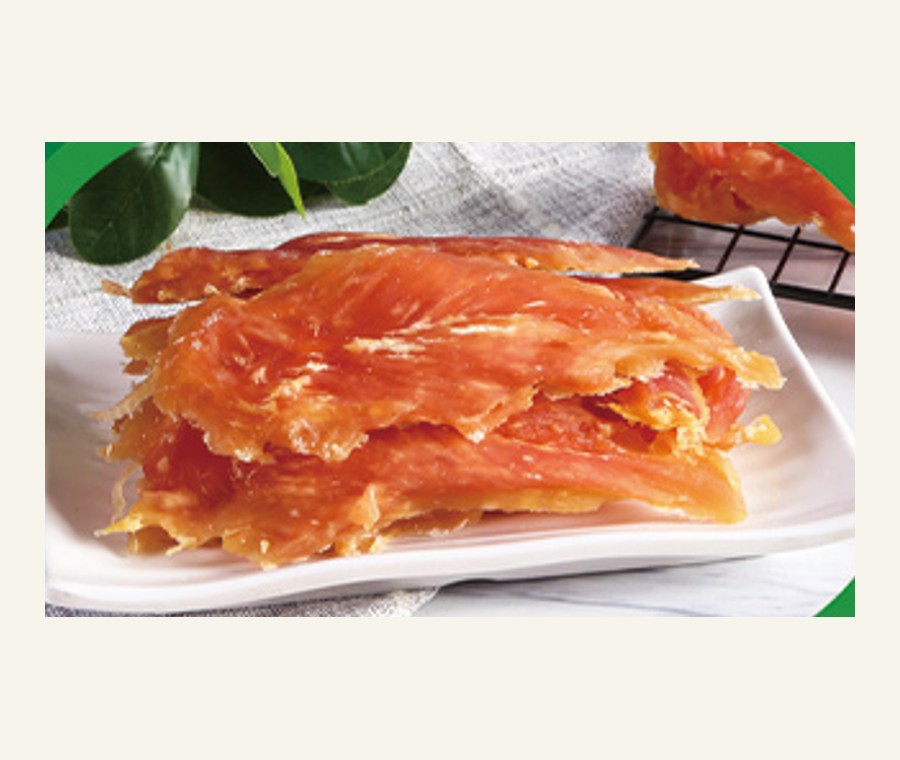
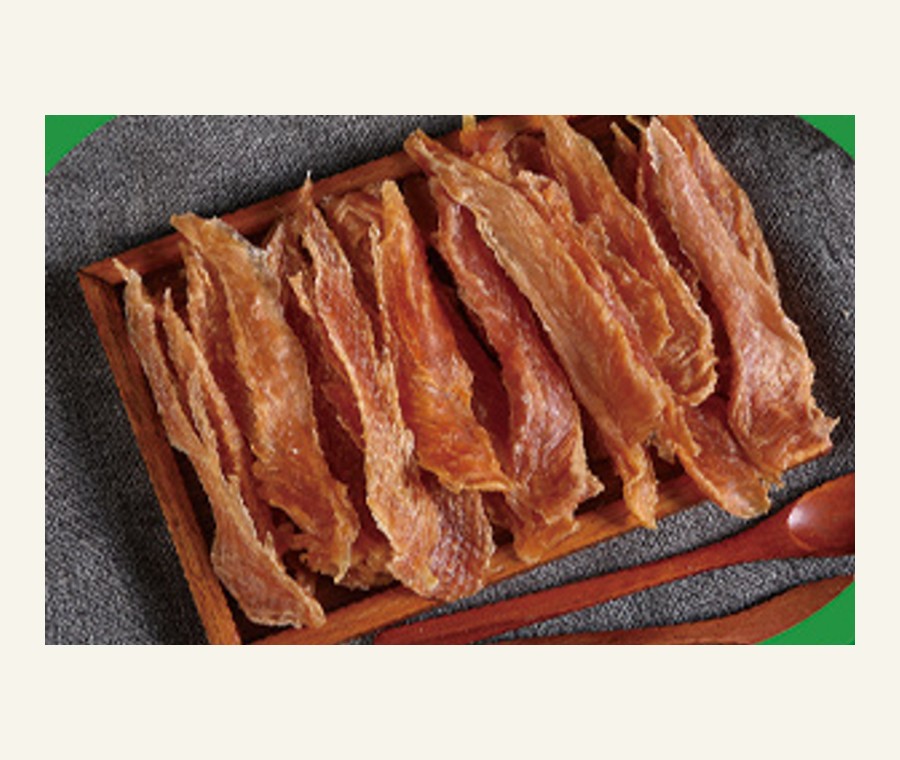
Dried & air-dried muscle treats

Representative formats: Slices, strips, bites, training pieces and fish strips.

T02

Organ & natural animal-part treats

Representative formats: Liver, heart, gizzard, trachea, cartilage and project-approved natural parts.

T03

Freeze-dried treats

Representative formats: Meat bites, seafood, organs, egg yolk and multi-ingredient combinations.

T04

Soft & semi-moist meat treats

Representative formats: Soft strips, bites, training pieces and filled soft formats.

T05

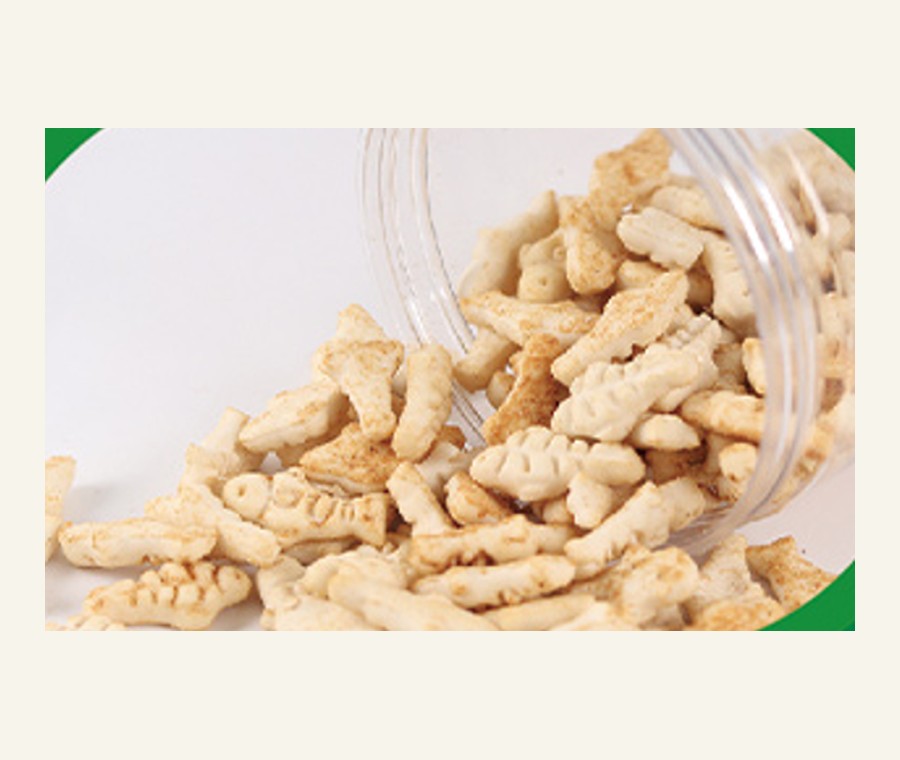
Biscuits & baked treats

Representative formats: Dog and cat biscuits, baked crisps, shaped and seasonal products.

T06

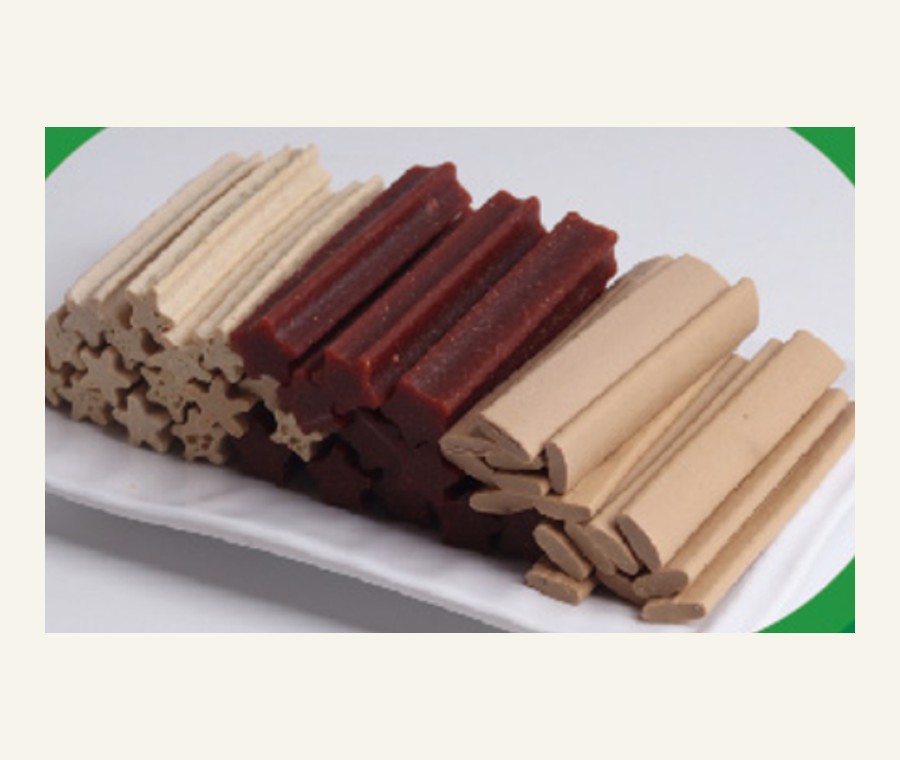
Extruded, co-extruded & filled treats

Representative formats: Single-layer, dual-colour, filled sticks, bites and multi-structure shapes.

T07

Dental treats

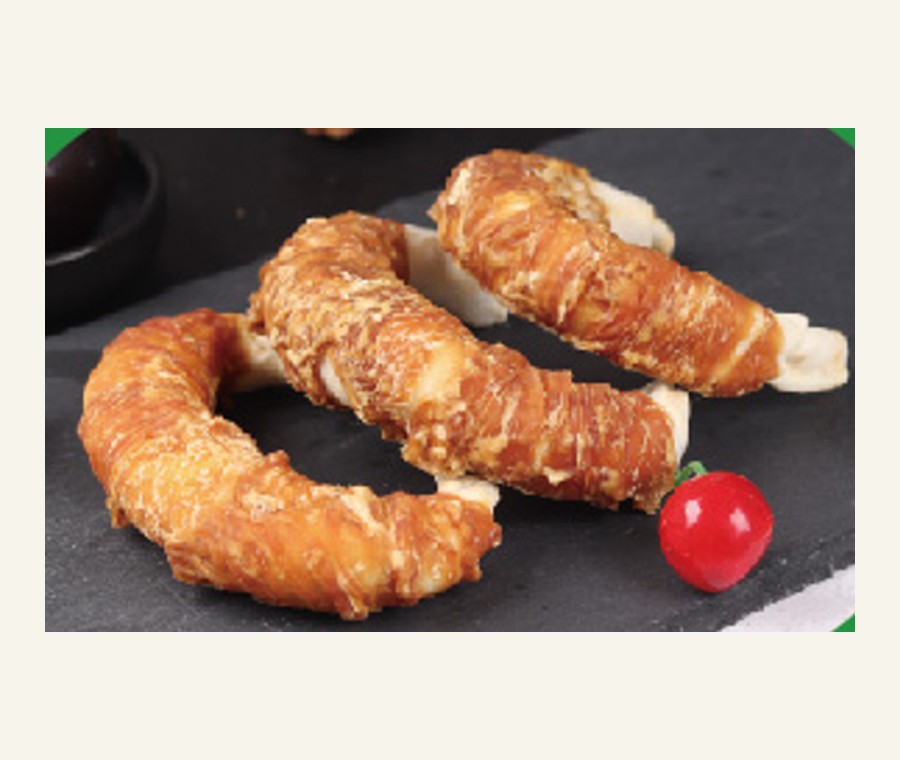
Representative formats: Grooved sticks, brush shapes, rings and daily chews in defined hardness levels.

T08

Edible chews

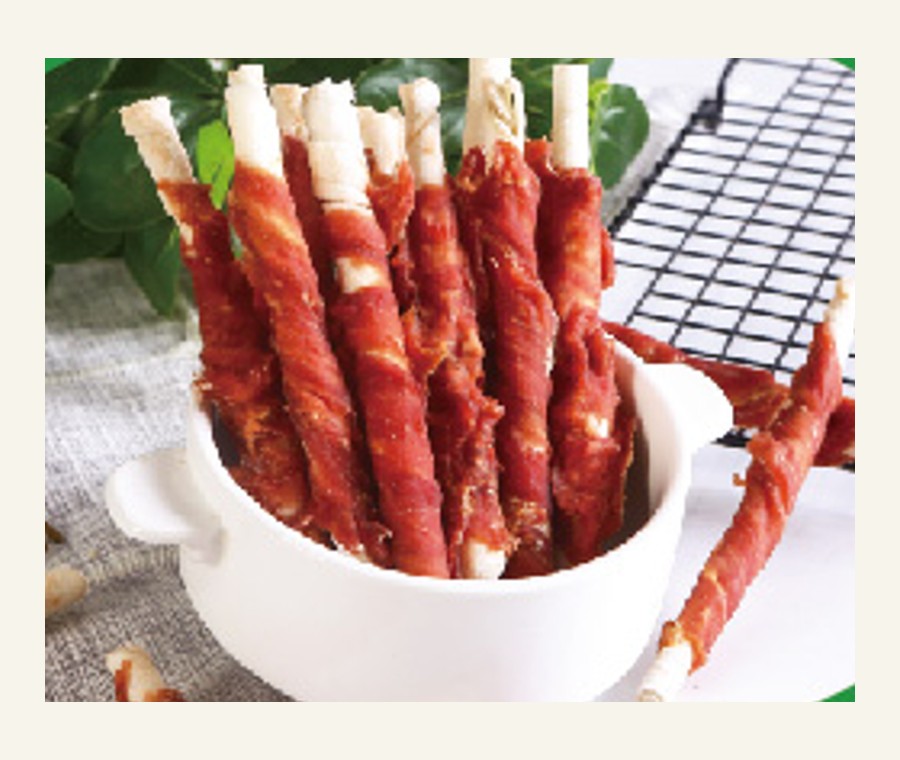
Representative formats: Collagen sticks, shaped chews, meat-wrapped sticks and composite structures.

T09

Wet & lickable treats

Representative formats: Creamy treats, purees, soups, cups and other wet reward formats.

T10

Non-therapeutic functional treats

Representative formats: Treats positioned for everyday oral, digestive, skin, coat, joint, calm or vitality support.

T11

Toppers, mixers & hydration products

Representative formats: Freeze-dried toppers, meat flakes, meal mixers, gravies and broths.

T12

Plant, dairy, egg & alternative-protein treats

Representative formats: Plant-based, cheese, egg and other project-approved alternative-protein formats.

T13

Assortments, trial packs & seasonal gift sets

Representative formats: Variety packs, channel trials, subscription sets and seasonal gifting.

Product definition

Eleven brief fields turn a product concept into an assessable project.

A complete brief improves the accuracy of sample development, production planning, packaging, quality documentation and costing.

  1. 01Species and life stage
  2. 02Product format
  3. 03Ingredients and protein
  4. 04Raw-material part
  5. 05Process
  6. 06Texture and hardness
  7. 07Structure and combination
  8. 08Use occasion
  9. 09Packaging system
  10. 10Evidence and claims
  11. 11Market and access

Where to begin

Choose a project route that reflects the brand's current product and development objective.

M1

Current-product replacement

Use an owned product, authorised sample or clear specification to assess formula, texture, pack and cost.

M2

Second source

Assess an alternative production route against the existing standard, documentation, lead time and transition risk.

M3

Range extension

Extend an established range through protein, format, size, flavour, packaging or use occasion.

M4

Co-development

Define a new concept around consumer need, channel positioning and destination-market conditions.

Project confirmation

Once the product direction is clear, these conditions are confirmed for the project.

Separate product direction from supply terms

A category describes an assessable direction; stock, formula, MOQ, price and schedule are project-specific.

Base benefit positioning on product evidence

Everyday-support language requires ingredient, inclusion-rate, label and market evidence and is not therapeutic.

Confirm destination-market suitability item by item

Aumeats assesses formula, ingredients, process, labelling, testing, certificates, export documents and import routes against requirements in the United States, Europe, the Middle East, Japan, South Korea, Canada and other destination markets. Suitability and export conditions are verified and confirmed in writing for each SKU.

148 product references

Review existing formats to choose a clearer starting point for the brief.

The atlas supports technical and commercial discussion. It does not represent stock, approved formulas, existing certification or automatic suitability for any destination market.

View 148 product references

Frequently asked questions

What should a brand confirm before beginning a pet treat OEM project?

Do T01–T13 mean stock products or approved formulas?

No. T01–T13 describe product development directions. Actual supply terms are confirmed in writing for the specific formula, process, packaging, documentation and destination market.

Can an owned sample start benchmark development?

Yes. A brand may provide an owned or authorised sample, specification, target cost and market information for replacement, second-source, range-extension or co-development assessment.

How is destination-market suitability assessed?

Aumeats reviews the formula, ingredients, process, labelling, testing, certificates, export documents and import route for the specific SKU against requirements in the United States, Europe, the Middle East, Japan, South Korea, Canada and other destination markets. Final suitability is confirmed by the brand, importer and professional advisers.

Project assessment

Submit the product information for an OEM feasibility assessment.

Include the destination market, format, sample or specification, estimated volume, packaging, target cost and planned launch date.

Email the project brief